SC Orders Back Wages for Wrongfully Terminated Employee | Labour Law Update 2026
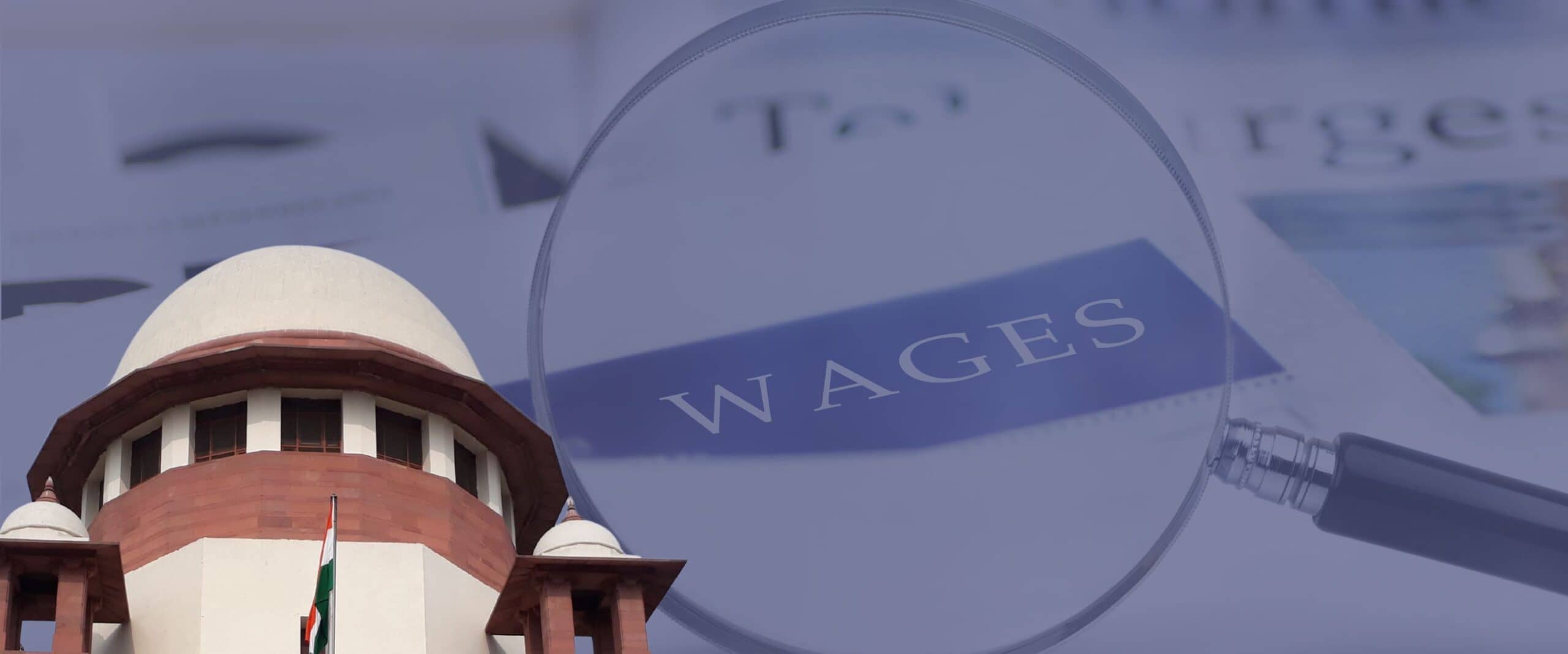
In a significant judgment strengthening employee rights in India, the Supreme Court of India restored back wages to a worker who had been illegally terminated from service. The ruling highlights the importance of fair employment practices and sends a strong message against arbitrary dismissal of employees.
This decision is expected to have a major impact on labour law disputes and employer-employee relations across India.
What Was the Case About?
The case involved a worker who was removed from service without following proper legal procedures. The employee challenged the termination, arguing that the dismissal violated labour law protections and principles of natural justice.
After examining the matter, the court found that the termination was illegal and unjustified. While reinstatement issues were considered separately, the court specifically emphasized that denying back wages in such circumstances would amount to unfair treatment of the worker.
As a result, the Supreme Court ordered restoration of back wages for the period during which the employee remained out of service due to the unlawful termination.
What Are Back Wages?
Back wages refer to the salary and benefits that an employee would have earned if they had continued working during the disputed period.
When a court declares a termination illegal, it may direct the employer to pay:
- Pending salary
- Allowances
- Service benefits
- Other employment-related dues
However, courts usually evaluate multiple factors before granting full or partial back wages.
Why Is This Judgment Important?
This ruling is important because it reinforces several key principles under Indian labour law:
1. Employers Must Follow Due Process
Companies and organizations cannot terminate employees arbitrarily. Proper inquiry, notice, and legal compliance are essential before dismissal.
2. Workers Cannot Be Penalized for Illegal Actions of Employers
If termination is found illegal, employees should not suffer financial loss caused by the employer’s unlawful decision.
3. Labour Rights Continue to Receive Judicial Protection
The judgment demonstrates that Indian courts continue to protect workers against unfair labour practices.
Key Takeaways for Employers
Businesses and HR departments should carefully review employment termination procedures. Employers should:
- Maintain proper disciplinary records
- Follow legal notice requirements
- Conduct fair internal inquiries
- Ensure compliance with labour laws
- Avoid arbitrary termination decisions
Failure to follow proper procedure may lead to:
- Litigation costs
- Compensation orders
- Back wage liability
- Reputation damage
Key Takeaways for Employees
Employees facing wrongful termination should understand that legal remedies may be available under Indian labour laws.
If an employee believes termination was unfair, they should:
- Preserve employment records
- Keep copies of notices and emails
- Seek professional legal or labour law advice
- File claims within prescribed timelines
Impact on Future Labour Disputes
The judgment may influence future employment disputes where workers challenge illegal termination. Courts may continue to adopt a balanced approach that protects workers while also considering the facts of each case.
The decision also reminds employers that procedural fairness is not optional — it is a legal requirement.
Conclusion
The Supreme Court’s decision to restore back wages to an illegally terminated worker is a strong reaffirmation of employee rights and fair labour practices in India.
For employers, the ruling is a reminder to follow lawful termination procedures carefully. For workers, it highlights that courts can provide relief when employment rights are violated.
As labour law compliance becomes increasingly important, both employers and employees should stay informed about their legal rights and responsibilities.
- Team MyCASathi Founder CA Ram Kumar Gupta
📲 Call / WhatsApp: +91 99994 63001
📧 Email: mycasathi@gmail.com
🌍 Website: https://www.mycasathi.com
Key Takeaways
- GST registration requirements depend on turnover and nature of business.
- Timely filing helps avoid unnecessary interest and late fees.
- Businesses should maintain proper invoices and supporting documents.
Important Note
Tax rules and compliance requirements may change from time to time. Always verify the applicable provisions before taking any action.